Best Pizza Place in Cheyenne: A Local's Guide to Great Slices
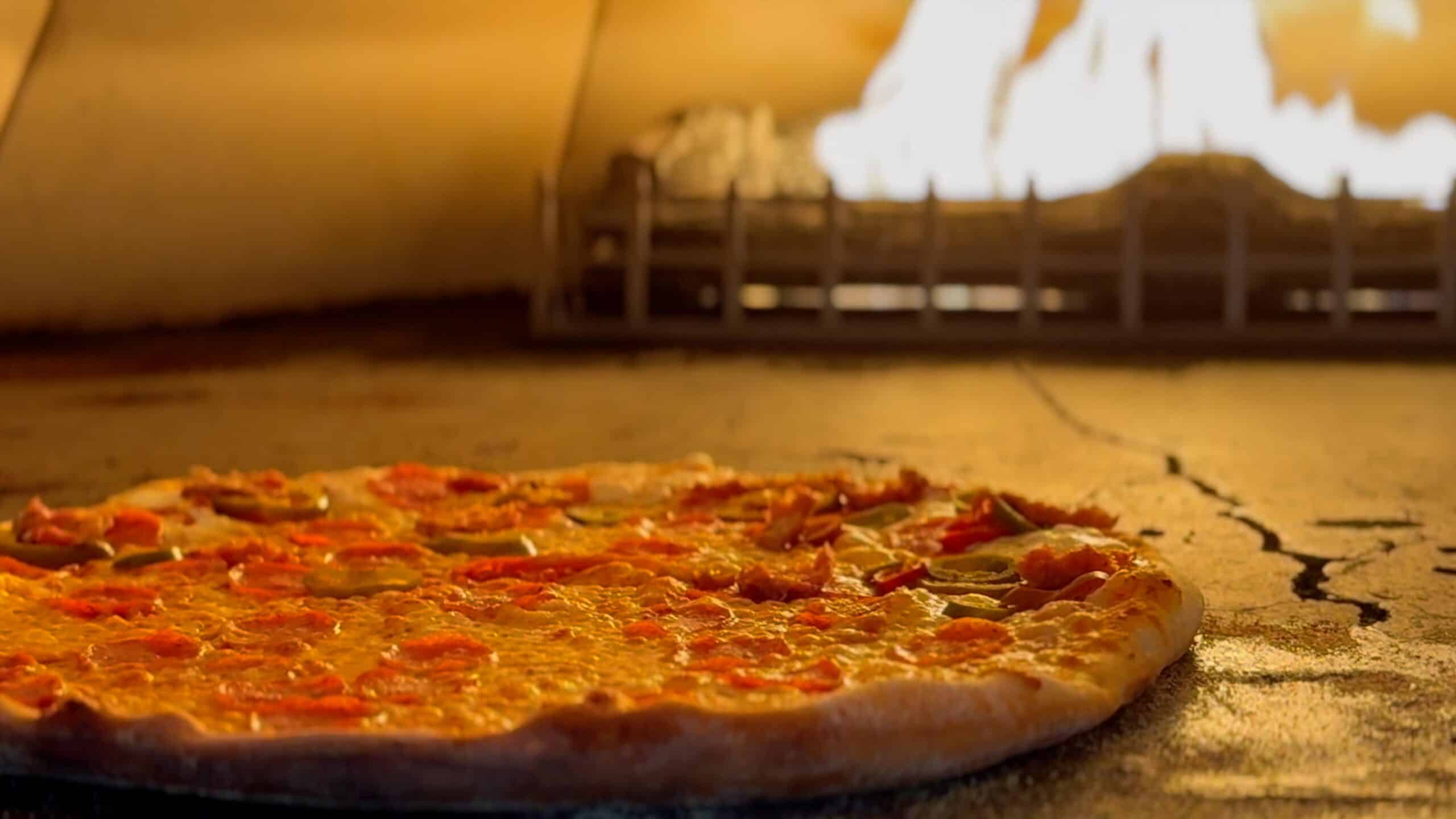
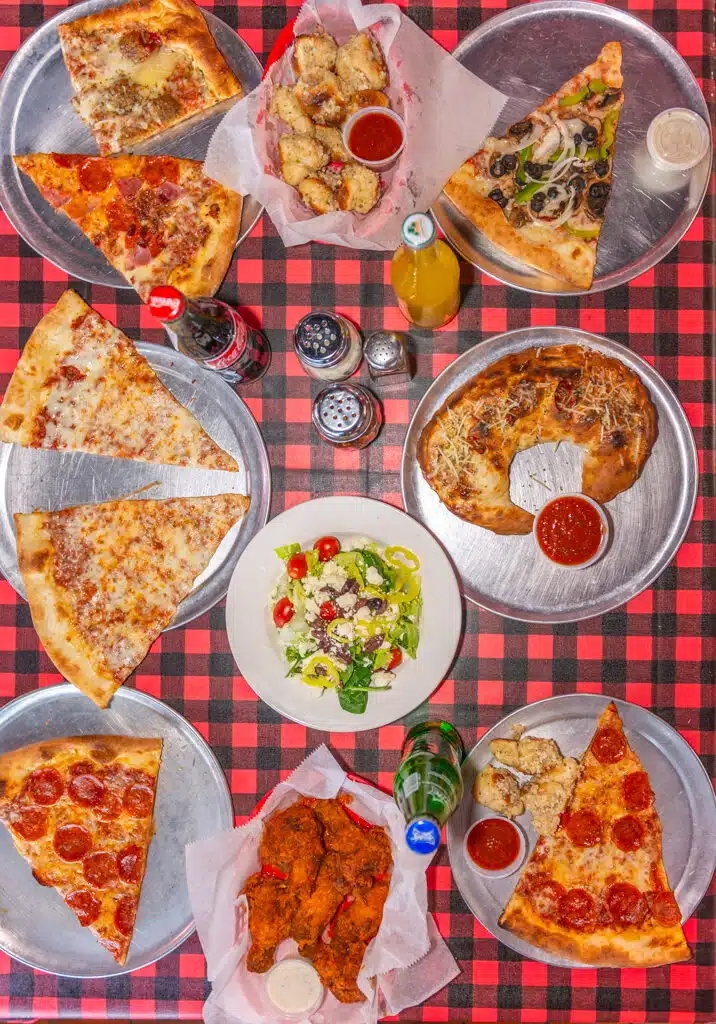
Finding the best pizza place in Cheyenne sounds simple until you start asking what “best” is supposed to mean. The pie that wins over a family with three hungry kids is not always the one a couple wants on a quiet Friday night. A shop that nails a thin, crisp crust for dine-in may not travel as well across town in a takeout box. Then there is Wyoming weather, which has a habit of turning a short pickup run into a windy production.
That is why the best pizza place in Cheyenne is rarely just about one perfect slice. It is about consistency, oven judgment, dough quality, timing, atmosphere, and whether a restaurant understands its crowd. In a city like Cheyenne, where people appreciate straightforward quality and do not have much patience for style without substance, a good pizza shop earns loyalty the old-fashioned way. It serves food people actually want to come back for.
If you are trying to decide where to go, this guide will help you evaluate your options like a local does, with attention to the details that separate a decent pie from one worth driving across town for.
What locals usually mean by “the best”
Ask ten people in Cheyenne about pizza and you will probably hear ten different answers, but the conversation tends to revolve around the same few standards. The first is crust. Around here, people may disagree on whether they want thin, hand-tossed, or deep dish, but they know bad crust when they taste it. A crust should have structure, some chew, and enough character to stand on its own without leaning on heavy toppings or extra cheese.
The second standard is balance. Good pizza is not just a pile of ingredients. Sauce, cheese, toppings, and dough need to work together. Too much sauce turns the center soft. Too much cheese hides everything else. Too many toppings and the crust gives up halfway through the slice. The best shops know when to stop.
The third is reliability. In a smaller city, word travels fast. A place that serves one great pizza and three mediocre ones will not hold its reputation long. People remember whether a restaurant gets the order right, whether the crust is cooked all the way through, and whether the food tastes the same on a busy Saturday as it does on a slow Tuesday.
Then there is service, which matters more than some food critics like to admit. Pizza is often a group meal. It shows up at birthday parties, youth sports dinners, office lunches, late nights, and casual family gatherings. When a restaurant handles those moments well, people remember.
Cheyenne has its own pizza priorities
Cheyenne is not trying to imitate New York, Chicago, or Naples. That is part of its charm. The best local pizza spots tend to succeed because they fit the habits of the city rather than because they chase a trend.
People here value portions that feel fair for the price. They notice whether a place is family-friendly without becoming chaotic. They like a menu with enough variety to satisfy different tastes, but not so much that it looks like the kitchen is spreading itself thin. A restaurant can absolutely be creative, but the creativity has to taste good, not just photograph well.
There is also the practical side of dining in Cheyenne. Weather matters. So does parking. So does whether a place works for a quick lunch downtown, an easy carryout dinner after work, or a longer sit-down meal with friends. A pizza shop that understands local rhythms, especially around rodeo season, school events, and weekends, usually develops a stronger following than one that treats every service the same.
That local fit is often what people are really searching for when they type “pizza place Cheyenne” into a search bar. They are not just after melted cheese. They are looking for a place that matches the way they actually eat.
How to tell whether a pizza shop is truly good
A lot can be learned from one plain cheese or pepperoni pizza. Fancy combinations are fun, but they can hide weak fundamentals. If you want to judge a place fairly, pay attention to the basics first.
The crust should have a clear texture difference between the rim and the base. If the outer edge has some color and light blistering while the bottom stays firm enough to hold a slice, the kitchen is paying attention. If the center folds into a wet triangle before you even lift it, something is off, whether the problem is dough hydration, oven temperature, or too much topping weight.
Sauce should taste like tomatoes, not sugar. A little sweetness is fine, especially in a family-style American pie, but it should not flatten everything else. Good sauce brings brightness, seasoning, and some acidity. It should support the cheese instead of competing with it.
Cheese matters too, but not only in terms of quantity. Stretch looks nice, but flavor and browning matter more. A well-blended cheese layer should melt evenly, develop a few toasted spots, and avoid that rubbery blanket effect that often comes from cheap product or rushed baking.
Then there is the small but telling detail: the final bite of the crust. At a strong pizza place, you still want pizza place cheyenne to eat it. At a mediocre one, it ends up abandoned on the plate.
The dining room tells its own story
You can learn a lot before the pizza even arrives. A good dining room does not need to be fancy, but it should feel cared for. Tables turned promptly, floors reasonably clean, a visible rhythm between front and back of house, and staff who seem to know the menu without reciting it like a script, all of that points to a restaurant that has its act together.
Cheyenne diners tend to appreciate places that are comfortable rather than theatrical. If a pizza restaurant feels relaxed, welcoming, and competent, that usually matters more than whether it has the trendiest lighting or a giant mural on the wall. Families need enough space to settle in. Couples want a little breathing room. Solo diners do not want to feel stranded. The best shops understand this and create an environment where all three groups can coexist without friction.
One detail many people overlook is the smell. A room that smells like fresh dough, tomato sauce, toasted cheese, and maybe a little garlic is doing exactly what it should. If the dominant note is fryer oil or cleaning chemicals, pizza may not be the restaurant’s strongest category.
Dine-in and takeout are not the same test
Some places shine when the pizza lands on the table straight from the oven. Others are engineered for carryout and delivery, with crust formulas and bake times that hold up in a box. Neither approach is wrong, but it helps to know which game the restaurant is playing.
A thin crust pie can be fantastic pizza place cheyenne in-house and noticeably less exciting twenty minutes later. Steam trapped in the box softens the base, and what was once crackly turns merely decent. A thicker crust or pan-style pizza often travels better because it has more structure and insulation. Extra sauce can also age better in transit than a minimalist pie, which may dry out on the drive home.
That matters in a place like Cheyenne, where errands tend to be bundled. A person picking up dinner may also be stopping for groceries, grabbing kids from practice, or making a quick run across town in gusty weather. If a restaurant consistently sends out pizza that arrives intact, hot, and well-packed, it deserves credit.
If you are trying a new pizza place in Cheyenne for the first time, it is worth asking yourself one question: am I judging this pie as the kitchen intended it to be eaten? A restaurant that impresses in the dining room may not automatically be the best delivery option. Likewise, a low-key takeout spot may outperform a more polished restaurant once the food hits your kitchen counter.
Style matters less than execution
People get attached to pizza styles, sometimes to the point of missing what is right in front of them. Thin crust, New York-inspired foldable slices, pan pizzas with caramelized edges, thicker hand-tossed pies loaded with toppings, all of them can be excellent when executed well.
In Cheyenne, where diners often want both comfort and value, you will see strong support for generous, approachable styles. That does not mean subtlety cannot succeed. A beautifully baked margherita-style pie with restrained toppings can absolutely win people over. It just has to deliver enough flavor and enough craftsmanship to justify its simplicity.
This is where good pizza places separate themselves from average ones. They understand the logic of their own menu. If the shop builds big, hearty pies, the dough and bake need to support that weight. If it aims for a lighter, more delicate style, ingredient quality has to be high because there is nowhere to hide. A place that tries to do everything often ends up mastering nothing.
What to order on a first visit
If you are serious about finding your go-to spot, order with purpose. A first visit should tell you how the kitchen handles both basics and pressure. One simple pie and one slightly more complex pie usually reveal the most.
A good first order often includes the following:
- A cheese or pepperoni pizza, to judge crust, sauce, and cheese balance
- One house specialty, to see whether the restaurant has a point of view
- A side like garlic knots, breadsticks, or wings, if you want to gauge the broader kitchen
- A salad only if you care about freshness and prep standards beyond pizza
- Extra napkins, because the best slices are rarely tidy
There is a reason locals often judge a pizza place by its pepperoni. Pepperoni changes in the oven. It should crisp at the edges, release some spice into the cheese, and add flavor without flooding the top with grease. When a restaurant gets that right, it usually means the rest of the pie is getting proper attention too.
House specialties are useful for a different reason. They show whether the kitchen knows how to combine ingredients with restraint. A great specialty pizza should feel designed, not assembled at random. When every topping tastes distinct and the slice still holds together, that is skill.
The case for simplicity
One of the easiest mistakes diners make is assuming a long ingredient list equals a better pie. It often does the opposite. Too many toppings create moisture, slow the bake, and flatten flavor. A pizza loaded with sausage, pepperoni, mushrooms, onions, olives, peppers, bacon, and extra cheese may sound like value, but if the crust turns soft and the toppings slide off, the experience falls apart.
Some of the best pizzas in any city are simple enough to sound almost plain on paper. Cheese, basil, and tomato. Pepperoni and onion. Sausage and mushroom. The magic is in proportion and heat management, not in stacking ingredients into a mountain.
This is especially true if you are trying to identify the best pizza place in Cheyenne rather than merely the most filling one. A shop that can make a clean, balanced, straightforward pie is usually more trustworthy than one that relies on excess. Generosity has its place, but discipline is what creates repeat customers.
Families, groups, and solo diners all need different things
Pizza is one of the few foods that genuinely works for almost every dining situation, but the best restaurant for one setting may not be the best for another.
Families often need space, quick service, and a menu broad enough to satisfy both adventurous adults and children who want one familiar thing. A family-friendly pizza place does not need to be loud or chaotic. It simply needs to handle volume without making parents feel like they are apologizing for being there.
Groups care about pacing and shareability. Large tables need pizzas that arrive in a sensible rhythm, not all at once after a long wait or one pie at a time over forty minutes. Good group service is an operational skill, and strong restaurants make it look easy.
Solo diners usually notice different details. They care about whether sitting alone feels natural, whether a lunch special makes sense, and whether the staff treats one-person orders with the same respect as a larger table. Pizza by the slice, when done well, can be a strong indicator of a shop’s confidence. A place willing to sell individual slices is putting its pizza on display with nowhere to hide.
Price, value, and the hidden math of a good pie
Pizza can seem expensive or cheap depending on how you look at it. A higher menu price is not automatically a bad deal if the dough is made in-house, ingredients are handled properly, and one pie feeds more people than expected. On the other hand, a budget pizza is no bargain if half of it goes untouched because the crust is tough or the toppings are bland.
Value is about more than size. It includes leftovers. A truly good pizza often eats well the next day, whether cold from the fridge or reheated in a skillet or oven. That matters. If a restaurant’s pizza goes limp and flavorless overnight, part of the original value disappears.
When comparing places, it helps to think in practical terms. How many adults does a large pie realistically feed? Are specialty toppings priced reasonably or stacked into a surprise total? Does the restaurant skimp on cheese or overload it to cover weaker components? Those questions get you closer to a real answer than menu price alone.
In Cheyenne, where people tend to appreciate straightforward fairness, value often means a place that delivers solid quality without playing games. Clear portions, honest ingredients, and dependable sizing go a long way.
Signs you have found a keeper
A strong pizza place earns repeat visits by getting a lot of little things right. The box opens and the pie still looks alive. The crust keeps its shape. The toppings taste intentional. The staff handles a rush without losing their composure. You start recommending the place to neighbors without overthinking it.
Here are a few signs that a restaurant deserves regular rotation:
- The plain pies are as satisfying as the loaded ones
- The food is consistent across multiple visits
- Takeout orders are packed carefully and accurately
- The kitchen shows restraint with sauce, cheese, and toppings
- You can picture different kinds of meals there, from quick lunch to family dinner
That last point matters more than it may seem. The best local pizza places are rarely one-note restaurants. They become part of people’s routines. They are where coworkers grab lunch, where parents stop after a game, where friends meet when nobody wants anything formal, and where an ordinary weeknight dinner still feels a little like an occasion.
A few practical ways to choose your spot in Cheyenne
If you are new to town or simply trying to break out of your usual habits, start by matching the restaurant to the moment. For lunch, speed and slice quality matter. For a casual date, atmosphere and a well-composed specialty pie may matter more. For game day or a family pickup order, consistency and travel performance jump to the top of the list.
Pay attention to local behavior. Busy parking lots at dinnertime can mean many things, but repeat traffic is usually a good sign. So is a menu that looks edited rather than bloated. Shops that know what they do well tend to present it clearly.
And trust your second visit more than your first. Any restaurant can have an off night or a lucky one. The real test is whether the pizza tastes just as good the next time, when the novelty is gone and you are paying closer attention.
Why the search is worth doing
Cheyenne has the kind of dining scene where the best places are often defined by steadiness rather than hype. That is true of pizza as much as anything else. The standout shop may not be the loudest on social media or the one with the flashiest menu language. More often, it is the place with good dough, a disciplined oven, sensible toppings, and a staff that knows exactly what its customers want.
That is good news for anyone hunting for the best pizza place in Cheyenne. You do not need marketing gloss to find a great slice. You need a little observation, a willingness to judge the basics, and enough appetite to compare a few pies honestly.
When you find the right place, you know it quickly. The slices disappear faster than expected. Nobody leaves crust behind. Someone at the table says, “We should get this again,” and everyone agrees without debate. For a pizza restaurant, there is no better review than that.
Ruffrano's Hell's Kitchen Pizza Cheyenne
Address: 1670 E Cheyenne Mountain Blvd, Colorado Springs, CO 80906
Phone number: +17195764355
FAQ About Pizza Place Cheyenne
What's the most popular pizza place?
The "most popular" pizza place depends on whether you measure by location count, total sales, or customer favorite status.
What is the 2 pizza rule?
The two-pizza rule is a management principle made popular by Amazon founder Jeff Bezos. It states that a team or meeting should never be larger than what can be fed with two large pizzas—typically translating to a group of 5 to 10 people (or roughly 6 to 12 people depending on appetites).
Is 2 pizzas enough for 10 people?
No, 2 pizzas are usually not enough for 10 people.